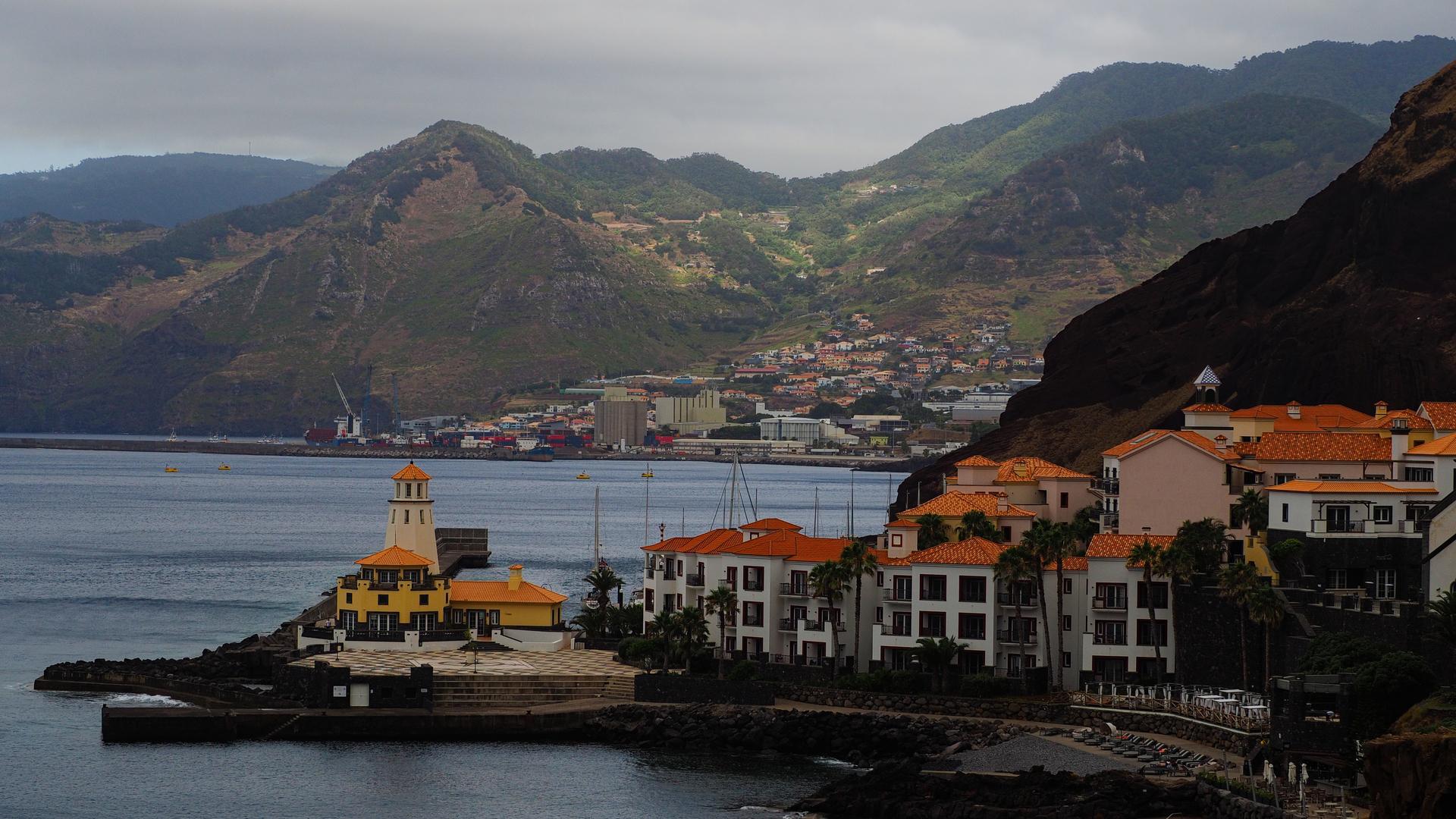
Camera Settings That Actually Work (Most of the Time)
My honest take on landscape photography settings after years of trial and error - spoiler: it's simpler than you think.
Camera Settings That Actually Work (Most of the Time)
Okay, let's talk about camera settings for landscape photography. I've read a million articles about the "perfect" settings, and honestly? Most of them made it way more complicated than it needs to be.
After a few years of wandering around the Netherlands with my camera, I've figured out what actually works in real life (not just in photography textbooks).
My Go-To Settings (The Simple Version)
Aperture Priority Mode - My Best Friend
I shoot in aperture priority (A mode) probably 90% of the time. Why? Because I'm lazy and it works.
- f/8: This is my default. Sharp enough, good depth of field, hard to mess up
- f/11: When I really want everything in focus (like those wide Dutch landscape shots)
- f/5.6: If light is getting dim and I need a faster shutter speed
I used to obsess over finding the "perfect" aperture for my lens. Turns out f/8 is pretty much always fine. Who knew?
ISO: Keep It Low (But Don't Stress About It)
- ISO 100-200: When I have good light and a tripod
- ISO 400-800: Handheld shots or cloudy days
- ISO 1600+: Only when I really have to
My camera handles ISO 800 pretty well, so I don't stress too much about it. Better to get the shot with a bit of grain than miss it completely.
The Stuff I Actually Think About
Shutter Speed (Or: How Not to Blur Everything)
For normal landscape shots:
- 1/60s or faster if I'm handheld
- Whatever the camera picks in aperture priority mode
For water shots (my favorite):
- 1/4s to 2s for that slightly smooth water look
- 10-30s for completely smooth water (need a tripod and ND filter)
I spent way too much time reading about "optimal" shutter speeds. Reality check: just try different speeds and see what looks good to you.
Manual Mode: When I Actually Use It
Honestly? Not that often. But it's useful when:
- Light isn't changing (sunset shots from the same spot)
- Using neutral density filters
- Long exposures (because aperture priority gets confused)
Focus: The Thing I Mess Up Most
I use single-point autofocus most of the time. Point it at something about 1/3 into the scene, focus, then recompose. Not the most technical approach, but it works.
Hyperfocal distance sounds fancy, but I just use an app when I remember. Most of the time I just focus on something in the middle distance and hope for the best.
What I've Learned the Hard Way
Mistake #1: Overthinking Everything
I used to spend 10 minutes adjusting settings for every shot. Now I set f/8, ISO 400, and go. I get more shots and stress less.
Mistake #2: Not Checking My Photos
Can't tell you how many times I thought I nailed a shot, only to find it was blurry when I got home. Now I actually zoom in and check focus on the camera screen.
Mistake #3: Forgetting About Light
All the perfect settings in the world can't save bad light. I've learned to wait for better light rather than trying to fix everything in post.
My Actual Shooting Process
- Look at the scene - what am I trying to capture?
- Set aperture based on how much I want in focus
- Check shutter speed - will this be sharp?
- Adjust ISO if needed
- Take the shot
- Check it on camera - is it sharp? Is exposure okay?
- Adjust and shoot again if needed
That's it. No complicated metering modes, no custom white balance, no focus stacking. Just basic settings that work.
The Netherlands Reality Check
Shooting landscapes here isn't like those dramatic mountain photos you see online. Our light is often flat, it's frequently cloudy, and everything is pretty much at sea level.
What works here:
- Higher ISO because it's often dimmer than you think
- Faster shutter speeds because it's windy
- Patience because the light changes quickly
My Gear Philosophy
I shoot with [your actual camera] and mostly use [your main lens]. Could I get "better" gear? Sure. But I'd rather spend time taking photos than researching equipment.
The best camera settings are the ones you actually understand and can adjust quickly when you see something worth photographing.
Bottom Line
Perfect camera settings don't exist. What matters is understanding the basics well enough that you can adjust quickly when you need to.
Start with aperture priority, f/8, and ISO 400. Learn what each setting actually does by changing one thing at a time. Take lots of photos. Make mistakes. Figure out what works for the kind of photos you like taking.
Photography is supposed to be fun, not a technical exam.